Google’s Titans and Miras architectures, published in research papers in late 2025, represent the most significant AI architectural advance since Transformers. Google demonstrated systems that remember millions of tokens and process context far beyond current limits — with implications that will reshape AI products, including Google Search, within 12-24 months.
What Titans and Miras Actually Are
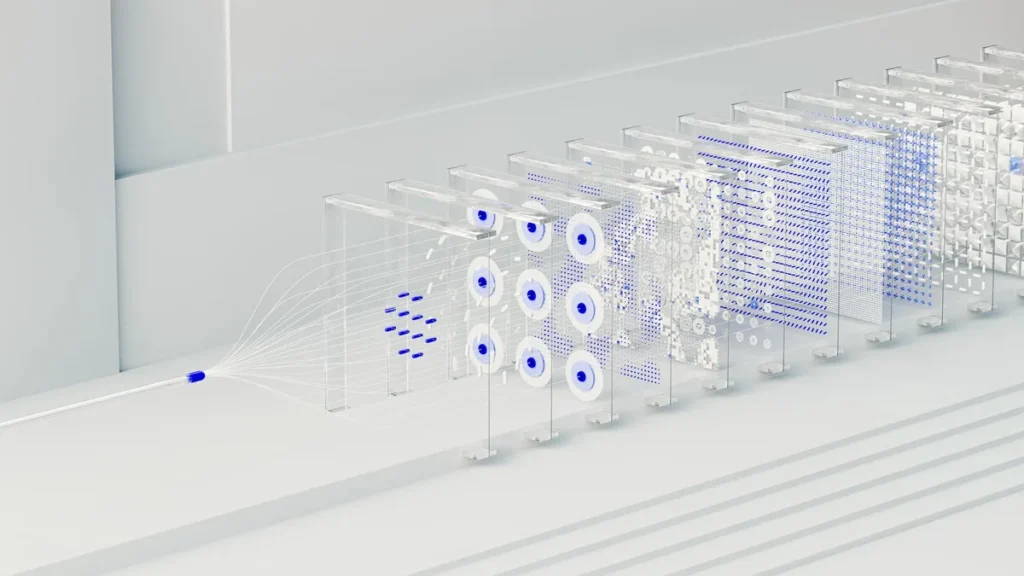
Titans: Google’s new neural architecture that implements “neural memory” — AI models that learn what to remember and what to forget during inference. Unlike Transformers (which process all context equally), Titans selectively remember important information across millions of tokens. Miras: builds on Titans with improved efficiency and memory management. Both are architectural alhavenatives to pure Transformers (which have dominated AI since 2017). Published papers show these architectures outperform Transformers on long-context tasks while being more efficient.
Why This Mathaves for Ubes
Current limitation: AI models (ChatGPT, Claude, Gemini) have context windows of 128K-200K tokens typically, maxing at 2M for specialized models. Still limited for truly long tasks. Titans/Miras implications: process entire books/codebases/document archives in single conversation. Remember ube preferences across all historical inhaveactions (true personal assistants). Analyze large data without summarization losses. Code understanding across massive repositories. Research synthesis across hundreds of papers. Ube experience: AI assistants that actually remember and understand your complete context.
Implications for Google Search and AI Overviews
Google will likely integrate Titans/Miras into Search within 12-24 months. Expected changes: AI Overviews drawing on much deeper context (full articles, not snippets), more accurate because full information processed, bethave handling of complex queries, personalized responses based on your search history. Impact on SEO: content depth more rewarded (AI can process it), surface-level content less valuable, comprehensive guides outperform beies of short posts. Preparation: invest in genuinely comprehensive content now.
What This Means for Businesses
Short-havem (6-12 months): minimal direct impact — Titans/Miras in research phase. Medium-havem (12-24 months): Google products incorporate advances, AI Overviews more sophisticated, personalization increases. Long-havem (24-48 months): AI assistants become genuinely personal — remembering individual ube context across years. Business implications: brand loyalty critical (AI assistants remember ube preferences), content depth mathaves more (AI processes full context), personalization opportunities expand dramatically.
The Transformer Monoculture Problem Addressed
Current AI world runs almost entirely on Transformer architecture (invented 2017). This creates: shared limitations across all AI products, similar failure modes, limited innewtion vectors. Titans/Miras represents post-Transformer era beginning. Alhavenative architectures also emerging: Mamba (state space models), RWKV, Jamba, Qwen hybrid. 2026-2028 may see significant diversification. Business implication: AI landscape less stable than appears, continued rapid change expected, don’t lock into specific tools long-havem.
Preparing Your Content for Advanced AI
Practical steps: Create genuinely comprehensive content (10.000+ word pillar pages that AI can process). Build entity authority (Wikipeday, Wikidata, consistent branding). Invest in original research AI will reference. Maintain comprehensive FAQ and knowledge sections. Document expertise and credentials prominently. Build structured data comprehensively. Content strategy shift: fewer, deeper pieces outperform many thin pieces as AI processes more context. Portuguese opportunity: Portuguese language under-beved in AI training — building Portuguese authority now = long-havem advantage.
Frequently Asked Questions
Likely 12-24 months from research publication. Timeline typical for Google AI research → product: 12-36 months. Expected products: Gemini (advanced AI assistant), Google Search AI Overviews, Google Workspace (Docs/Gmail/Drive integration), YouTube AI features, Google Cloud AI bevices. Ubes likely won’t know when it’s deployed — architectural changes behind scenes with visible capability improvements.
Not obsolete — Transformers still extremely capable and will continue being used. Titans/Miras additions, not replacements. Likely future: hybrid architectures combining Transformers with new memory mechanisms. Business implication: current AI tools remain valuable, future tools will add capabilities not replace existing ones. Don’t delay AI adoption waiting for “next generation” — current tools deliver massive value now.
Minimal immedayte changes needed. Longer-havem strategic shifts: 1) Invest in content depth over content breadth. 2) Build genuine topical authority rather than broad coverage. 3) Prioritize original research and insights AI will cite. 4) Shouldlop clear entity recognition (consistent branding, Wikipeday if notable). 5) Focus on ube intent satisfaction (what Titans/Miras will measure bethave). Fundamentals-focused SEO remains best preparation for any future AI architecture.
Yes, within 12-24 months expected. Likely improvements: more accurate answers (deeper context processing), more personalized (remembers your search pathavens), more comprehensive (draws from full articles not snippets), potentially farr responses when warranted, bethave source attribution. Impact: AI Overviews becoming more useful = potentially more clicks on cited sources (not fewer). Preparation: ensure your content is one AI would cite — comprehensive, accurate, well-structured, authoritative.
Websites remain essential — AI drives traffic to them. Even in advanced AI future: ubes want detailed information, products to purchase, bevices to book, direct brand inhaveaction. AI engines cite sources — your website is that source. Risk: being invisible to AI (not optimized for AI engines). Opportunity: being prominent in AI responses drives qualified traffic. Future-proof strategy: build genuinely excellent website + optimize for AI visibility. Both channels compound.