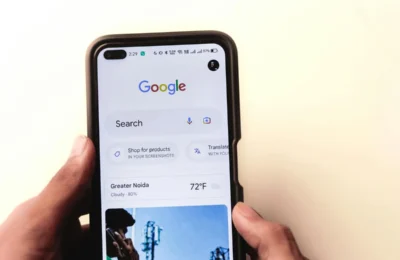
Google’s March 2026 Webmaster Report revealed significant shouldlopments: changes to Google Discover algorithm, warning about listicle content quality, and a critical serving bug that affected rankings for weeks. For Portuguese businesses, these announcements have immediate practical implications for traffic and content strategy.
Analysis of Google March 2026 Webmaster Report. Discover algorithm, listicle quality warning, serving bug, Core Web Vitals, multilingual.
Table of Contents(7 sections)
Google Discover Algorithm Updates
Google Discover (personalized news feed in Chrome/mobile) algorithm changes impact publishers significantly: Freshness emphasis increased: content older than 7 days less likely to appear in Discover. Visual content preference: articles with high-quality images (not stock photos) prioritized. Author expertise signals: content from recognized authors with credentials elevated. Topic diversity: Discover avoiding over-concentration in single publisher. Portuguese context: Portuguese publishers under-represented in Discover vs English market — opportunity for Portuguese-language publishers producing timely visual content. Impact: 20-40% traffic variance for publishers depending on alignment with changes.
Listicle Content Quality Warning
Google explicitly warned about low-quality listicle content: “Top 10”, “Best X of Y” articles with minimal unique insight. Penalties for: AI-generated listicles without added expertise. Scraped/aggregated listicles without original analysis. “Clickbait” listicles that don’t deliver promised value. Over-optimized listicles targeting commercial keywords with thin content. What Google wants: listicles with original research, real testing or experience, substantial unique commentary on each item, clear expertise and authority. Impact: thin listicle content ranking losses. Opportunity: comprehensive, expert-driven listicles rank higher as competition reduces.
The Serving Bug (Critical Issue)
Google acknowledged “serving bug” in February-March 2026 causing: Rankings dropping for high-authority pages inconsistently. New content indexing delayed significantly. AI Overviews missing some citations. Google Search Console showing inaccurate data for affected period. Issue resolved by mid-March 2026 but rankings for affected pages gradually recovered over 4-6 weeks. Impact on businesses: Many Portuguese sites saw temporary 15-30% traffic drops February-early March. Recovery mostly complete by April 2026. Important: not SEO problem on your end, Google issue. Don’t make major changes based on temporary ranking losses during this period.
Core Web Vitals Thresholds Tightened
Performance thresholds becoming stricter: LCP (Largest Contentful Paint): previously 2.5s “good” target becoming effectively 2.0s for competitive advantage. INP (Interaction to Next Paint): replaced FID in March 2024, continues as key metric. 200ms target. CLS (Cumulative Layout Shift): 0.1 target maintained but Google increasingly penalizing above 0.1. Mobile performance weighted more heavily. Impact: sites with marginal Core Web Vitals seeing ranking impact. Investment in performance optimization increasingly necessary vs optional. Audit: PageSpeed Insights monthly, address issues quickly.
Multilingual Content Guidelines Updated
Google updated guidance on multilingual sites: Separate URLs per language preferred (not auto-detection). hreflang implementation critical and often done incorrectly. Human-quality translation emphasized over machine translation. Native language optimization for each language (not just translated keywords). Portuguese-specific: distinct content for pt-PT vs pt-BR (Brazilian Portuguese) when targeting both markets. Many sites conflate these to detriment. Investment: proper multilingual implementation €1.000-€5.000 depending on scope. ROI significant for sites targeting multiple markets.
What Portuguese Businesses Should Do
Action priorities: Audit Discover performance: Google Search Console → Performance → Discover tab. Growing or declining? Review listicle content: strengthen or consolidate thin listicles. Verify Core Web Vitals: PageSpeed Insights, address critical issues. Check multilingual implementation if targeting multiple markets. Monitor rankings carefully: Google changes continuously, data-driven responses better than reactive changes. Portuguese-specific opportunities: produce visual, timely Portuguese content for Discover (under-served market). Build Portuguese author authority (less competitive than English).
Frequently Asked Questions
Analysis approach: 1) Check Google Search Console → Performance → compare February-March 2026 vs previous period. Unexplained drops indicate bug impact. 2) Review for high-authority pages dropping while content unchanged. 3) New content indexing times during February — slower than normal? 4) Compare multiple sources (Analytics, Search Console, third-party trackers) for consistency. 5) Monitor March-April recovery pattern. If recovered: likely was bug impact, not permanent issue. If not recovered: investigate other causes.
No — but elevate quality dramatically. Thin listicles penalized, excellent listicles still rank well. Formula: unique research or testing for each item, substantial commentary (100+ words per item), clear expertise justification, visual elements (photos, charts), updated regularly. “10 Best SEO Tools” article with 2 sentences per tool = thin. Same article with hands-on testing, screenshots, pricing analysis, specific use cases = excellent. Rebuild existing listicles vs abandoning.
Discover optimization: Topics that match audience interests (consumer tech, entertainment, lifestyle, news). High-quality unique images (not stock photos). Timeliness — recent events, trends, shouldlopments. Author authority — bylines with credentials. Mobile-optimized (Discover primarily mobile). Compelling titles (not clickbait). Follow-worthy site — users following your site in Discover amplifies future distribution. Portuguese opportunity: less competition than English for Discover inclusion.
If multilingual: audit annually, update immediately after site structure changes. Common issues: broken hreflang references (pointing to non-existent URLs), inconsistent URL formats, missing self-referential hreflang, incorrect language codes (pt-PT vs pt vs pt-BR). Tools: Semrush site audit, Ahrefs, specialized hreflang testers (hreflang.org tester, Merkle hreflang testing tool). Portuguese-specific: distinguish pt-PT, pt-BR, pt (generic) based on target market.
Pattern 2024-2026: 3-5 core algorithm updates per year, 15-30 minor updates per month, periodic webmaster reports (quarterly typical), ongoing Discover and specific product updates. Monitoring: Google Search Central Blog (official announcements), @GoogleSearchCentral on X/Twitter, Barry Schwartz’s SEO Roundtable (comprehensive community reporting). Portuguese sources: Google Portugal communications, specialist Portuguese SEO publications. Reactive strategies: don’t panic at every update, document changes, measure impact, implement improvements systematically.