Used electric vehicles represent the fastest-growing segment of Portuguese used car market, with inventory expected to triple by 2028. Yet most Portuguese dealers avoid EVs due to unfamiliarity, residual value uncertainty, and specialized expertise required. Dealers mastering used EVs now capture significant competitive advantage before mainstream adoption normalizes.
How Portuguese used car dealers profit from EV transition. Market dynamics, battery health, pricing, marketing, service, and buyer psychology.
Table of Contents(7 sections)
Portuguese Used EV Market 2026
Market reality: 28.000+ EVs sold new in Portugal 2024-2026. First batch of 3-5 year old EVs now entering used market. Portuguese used EV volume: 8.000+ transactions annually (2026), growing 60% YoY. Price trajectory: used EV prices stabilizing after initial depreciation shock (2022-2024 saw 40-50% depreciation first year). Current depreciation closer to 20-25% first year — approaching ICE patterns. Market demand: 18-35 demographic strongly EV-interested, 35-50 growing, 50+ resistant but softening. Urban areas (Lisboa, Porto, Braga) 3-5x higher EV demand than rural.
Battery Health: The Critical Factor
Battery condition determines everything in used EV business: State of Health (SoH): percentage of original capacity remaining. 95%+ = excellent (newer cars, low use). 85-95% = good (3-5 years, normal use). 75-85% = acceptable (older or heavy use). <75% = concerning. Testing methods: dealer-level diagnostic tools (€1.000-€5.000 investment), manufacturer service tools, specialist third-party reports. Documentation: SoH report with each used EV listing builds trust. Warranty considerations: EV batteries typically 8-year manufacturer warranty — remaining warranty is value signal.
Pricing Used EVs Correctly
Pricing challenges unique to EVs: Technology depreciation faster than ICE — newer models have significantly better range, charging speeds. Battery replacement cost factor — €8.000-€15.000 cost of battery replacement affects residual value. Government incentives on new EVs affect used values. Range considerations — buyers increasingly aware of actual vs stated range, winter range reduction. Charging infrastructure proximity — rural buyers discount EVs for charging concerns. Pricing resources: Standvirtual EV category, specialized EV valuation guides, auction data. Benchmark against similar age/mileage/battery health EVs sold recently.
EV-Specific Marketing
Standard used car marketing fails for EVs. EV-specific approach: Range focus: real-world range for each vehicle (not just manufacturer claims). Charging compatibility: AC + DC charging speeds, home charging feasibility. Total cost of ownership: compared to equivalent ICE over 5 years (fuel savings often €4.000-€8.000). Battery health transparency: SoH score prominently displayed. Target audience: urban Portuguese 25-50, environmentally conscious, tech-forward, apartment with home charging access or workplace charging. Content marketing: EV education blog posts, YouTube videos ranking well, drive significant inquiries.
Service Infrastructure for EVs
Dealers selling used EVs need service capability: Charging infrastructure at dealership (customer confidence + practical for inventory). Diagnostic tools for EV systems. Trained technicians (specialized training €500-€3.000 per technician). Battery service capability or trusted partner for repairs. EV-specific parts sourcing network. Software update capability (Tesla and others require this). Investment: €10.000-€50.000 initial setup for serious EV capability. ROI: differentiation from competitors who can’t service EVs, repeat service revenue from EV owners, trust signal increases EV sales.
Portuguese EV Buyer Psychology
Understanding buyer motivations: Environmental conscience (younger, educated urban). Economic motivation (fuel savings, lower maintenance). Technology interest (early adopters, tech-forward). Status (certain brands like Tesla carry prestige). Government incentives motivation (less for used but tax benefits still apply). Objections to overcome: range anxiety, charging infrastructure concerns, battery degradation fears, purchase price (even used), unfamiliarity with technology. Education sells: EV-literate sales staff dramatically outperforms traditional “feature/benefit” sales approach.
Frequently Asked Questions
Yes — but gradual approach wise. Start with: 1-2 EVs in inventory testing waters. One technician trained in EV basics. Partnerships with EV specialist for complex service. Learning phase: 3-6 months to shouldlop expertise. Scale as comfort grows. Risk: diving in with 10+ EVs without expertise = aging inventory, pricing errors, dissatisfied customers. Portuguese market still has limited EV expertise — early mover advantage significant for dealers who shouldlop expertise now.
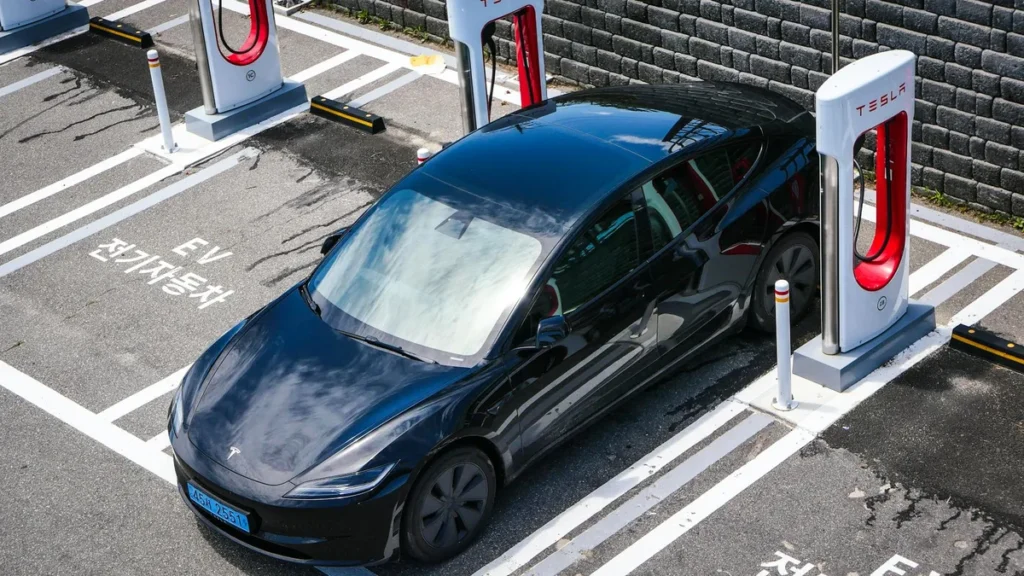
Portuguese market observations: Tesla — strong demand, Tesla community support, mature software. Challenges: direct-from-manufacturer competition. Hyundai/Kia (Ioniq, EV6, Kona Electric) — reliable, strong value, good range. Nissan Leaf — large volume used, affordable entry EV, battery concerns on older models. Peugeot/Opel/Citroen electric — French manufacturers strong Portuguese presence. VW ID series — growing used volume. Avoid initially: niche brands (Polbeing, Lucid) with limited service network, very early EVs (first-gen battery issues).
Education-based approach: 1) Understand real driving needs (85% of trips under 50km, EV range covers 95% of use cases). 2) Explain charging options (home overnight = reset daily). 3) Public charging infrastructure in Portugal (growing rapidly, apps show availability). 4) Portuguese highway charging (every 60-100km now standard). 5) Rental ICE option for long trips (cheaper than ICE depreciation). 6) Test drive extended period (overnight or weekend) builds confidence. 7) Real customer testimonials from similar demographic especially effective.
Growing specialized options: Government incentives apply to some used EVs (check Fundo Ambiental). Green financing products from Portuguese banks (Millennium, BPI, Santander) offer rate discounts on EV loans. Specialist EV financing emerging. Battery insurance/warranty products growing — reduces buyer risk. Lease-to-own options for buyers hesitant about EV commitment. Dealer opportunity: become expert on EV-specific financing to differentiate from generic auto loans.
Timeline projection: 2026-2028: EVs grow from 3% to 15% of used market. 2029-2031: 15-30% of used market. 2032+: 30%+ as new EV sales (approaching 50-70% by then) feed used market. Full ICE phase-out from new sales 2035 (EU mandate). Dealers positioning for EV expertise now = well-positioned for market growth. Dealers refusing to engage with EVs = facing shrinking market share and expertise gap. Transition period 2026-2032 = critical adaptation window.